North Hampton Historical Society Blog
Squalus Saga - North Hampton’s Modest Role
Squalus Saga: North Hampton’s Modest Role
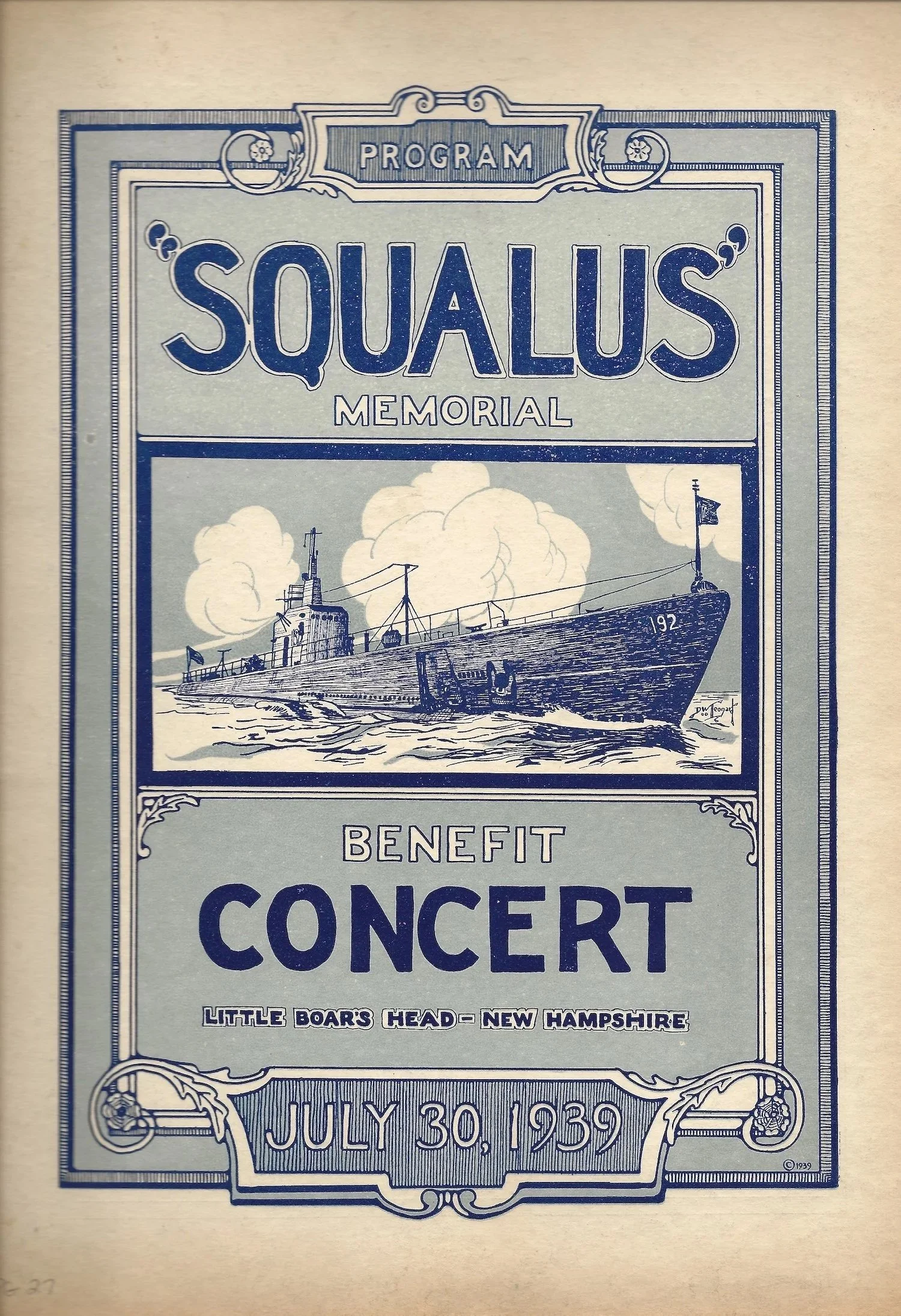
On July 30, 1939 Mrs. Arthur L. Hobson, whose Summer concerts on Little Boar’s Head attracted thousands, sponsored a “Squalus Memorial Concert” featuring the Boston Symphony Orchestra with Arthur Fiedler as conductor.
The Historical Society has two copies of the program, one signed by Captain Naquin of the Squalus. The program includes the following message: “At the conclusion of this program on the field, the audience is requested to journey with us across lots to the shore where final tribute of this service will take place, by the gracious act of Aviator Frothingham casting a memorial wreath on the waters over the Squalus.”
Anyone living on the seacoast of New Hampshire hears or reads about the Squalus sooner or later. Here’s a brief recap. On September 14, 1938 the submarine Squalus was launched at the Portsmouth Naval Shipyard in Kittery, Maine with the usual pomp and circumstance – a bottle of champagne broken across its bow and a band playing Anchors Aweigh. It was among a new class of diesel-electric powered submarines.
Commissioned in March 1939, the Squalus began sea trials. On its test dive May 23, after eighteen successful ones, it sank off the New Hampshire coast near the Isles of Shoals. The Squalus’s main induction valve did not close (its purpose was to let in fresh air when the sub was on the surface). The aft torpedo room, both engine rooms, and the crew’s quarters flooded. Twenty-six men drowned. And the Squalus was at the bottom of the sea in 243 feet of water. No one on a submarine at that depth had ever been rescued.
Located by its sister submarine, the Sculpin, the two boats were able to communicate for a while via a telephone marker buoy released by the Squalus and popping up on the surface. Buoys date back to the 13th century but there does not seem to be any specific date other than early 20th century for the one the Squalus deployed. The buoy got lots of publicity with this accident.
Divers from the submarine rescue ship Falcon, using the McCann Rescue Chamber, commonly called a diving bell, for such deep dives, were able to rescue the thirty three survivors. The diving bell dated from the 1920s when Charles B. “Swede” Momsen recommended it for the purpose of rescuing submariners. It was not until 1928 and the loss of another submarine, the S-4 and its entire crew, that Momsen was given the go-ahead to design and build a prototype rescue chamber.
Why wasn’t the rescue chamber named for Momsen? He got reassigned by the Navy’s Bureau of Construction and Repair to work on an underwater breathing apparatus for individual escapes – the Momsen lung. But Lieutenant Commander Momsen was on the scene after the Squalus went down in charge of the U.S. Navy Experimental Divers Unit. Those divers, using the McCann Rescue Chamber, a revised version of Momsen’s diving bell, recovered all the survivors in the first deep submarine rescue ever.
It took four dives over a 13 hour period. McCann was in charge of the Chamber operations, and Momsen commanded the divers. Although there was no reason to believe anyone was alive in the aft part of the ship, a fifth dive was made to the aft torpedo room hatch on May 25 just to confirm. New York Times reporter Hanson W. Baldwin wrote about the rescue, “Man won a victory from the sea early this morning.”
What happened to the Squalus afterwards? Recommissioned in 1940 as the Sailfish, she served in World War II and saw action in the Pacific. After the war, the Squalus returned to Portsmouth in October 1945 for deactivation. The City of Portsmouth and area citizens attempted to save the ship as a memorial. In the end, the Navy agreed to the retention of its conning tower and bridge within the Portsmouth Navy Shipyard.
For further details, there is much available online -- accounts by some of the survivors; the Naval History and Heritage Command, and the U.S. Naval Institute’s Naval History magazine. A copy of a 1999 book The Terrible Hours: The Man Behind the Greatest Submarine Rescue in History by Peter Maas about Momsen is available at our library.
How North Hampton helped defeat the British in the American Revolution
How North Hampton helped to defeat the British in the American Revolution
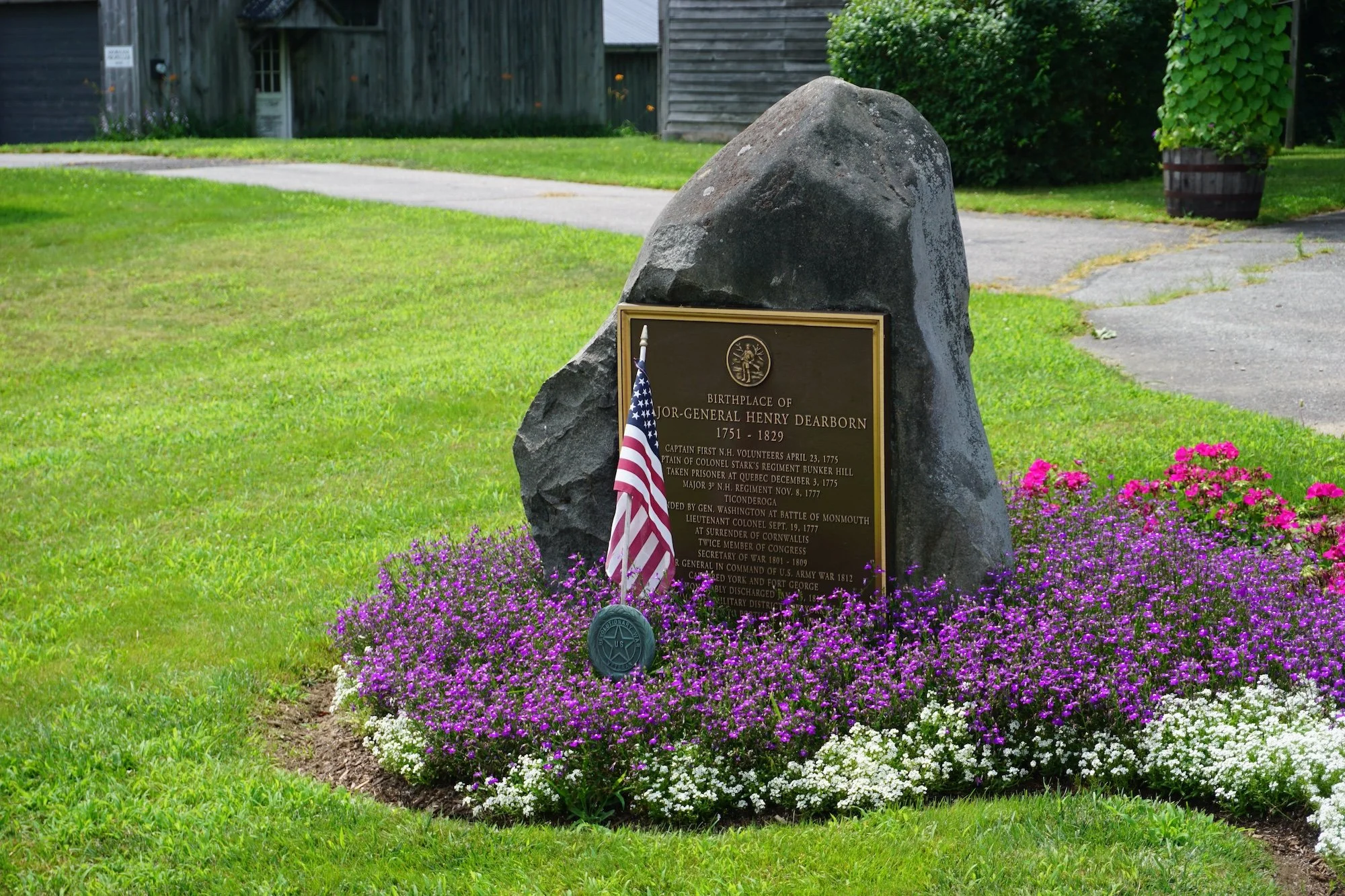
Henry Dearborn Revisited
North Hampton born Henry Dearborn was Thomas Jefferson’s Secretary of War, the first New Hampshire native to be in a President’s Cabinet. What was he doing?
The Mystery of George Moore, the Candy Man, contd.
A brief blog giving followup information about the original benefactor of the Memorial Day candy. Read the earlier Moore blog first.
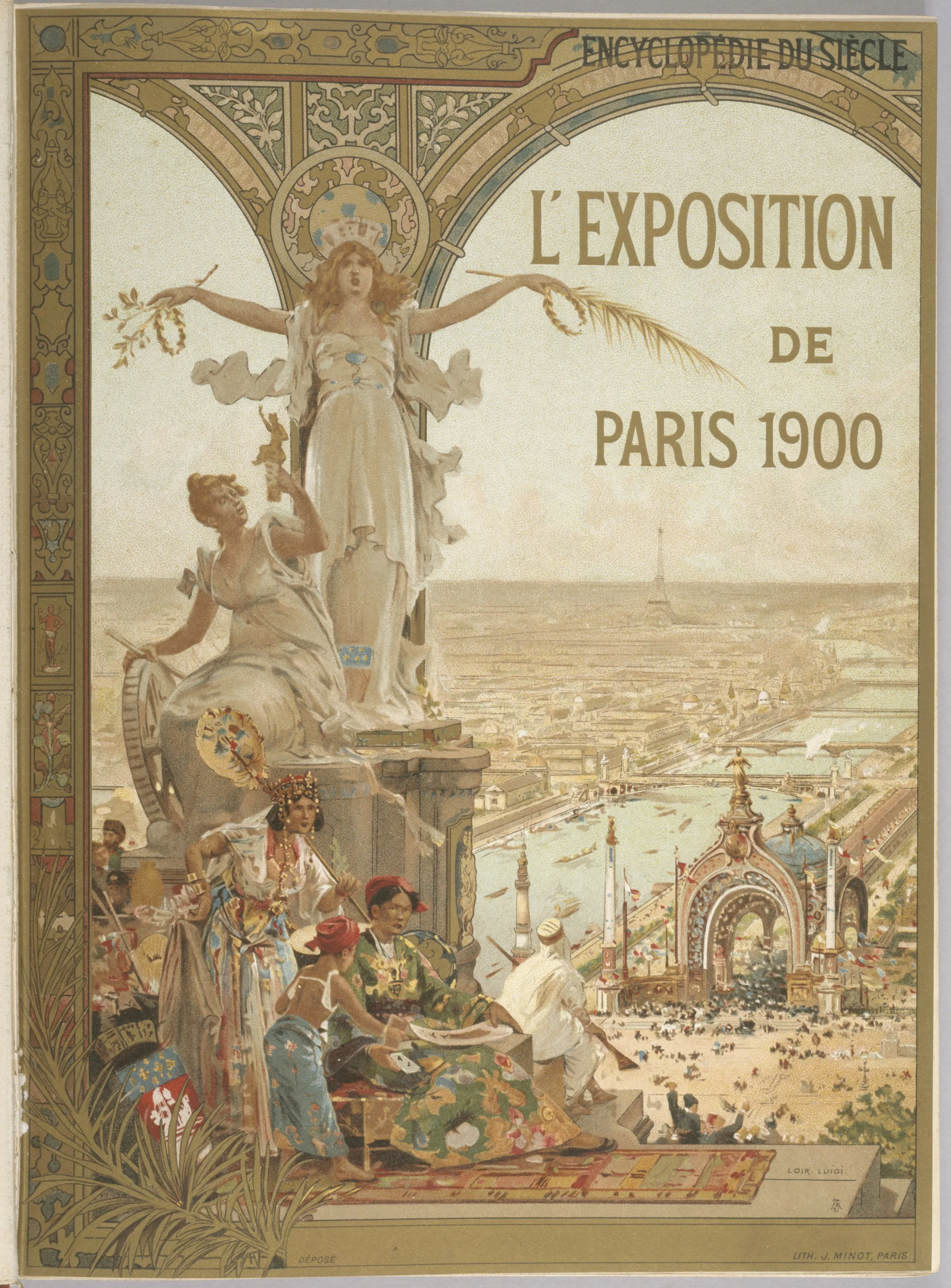
Mr. Smith Goes to Paris
North Hampton’s long serving Library Trustee Edward M Smith went to Paris in 1900.
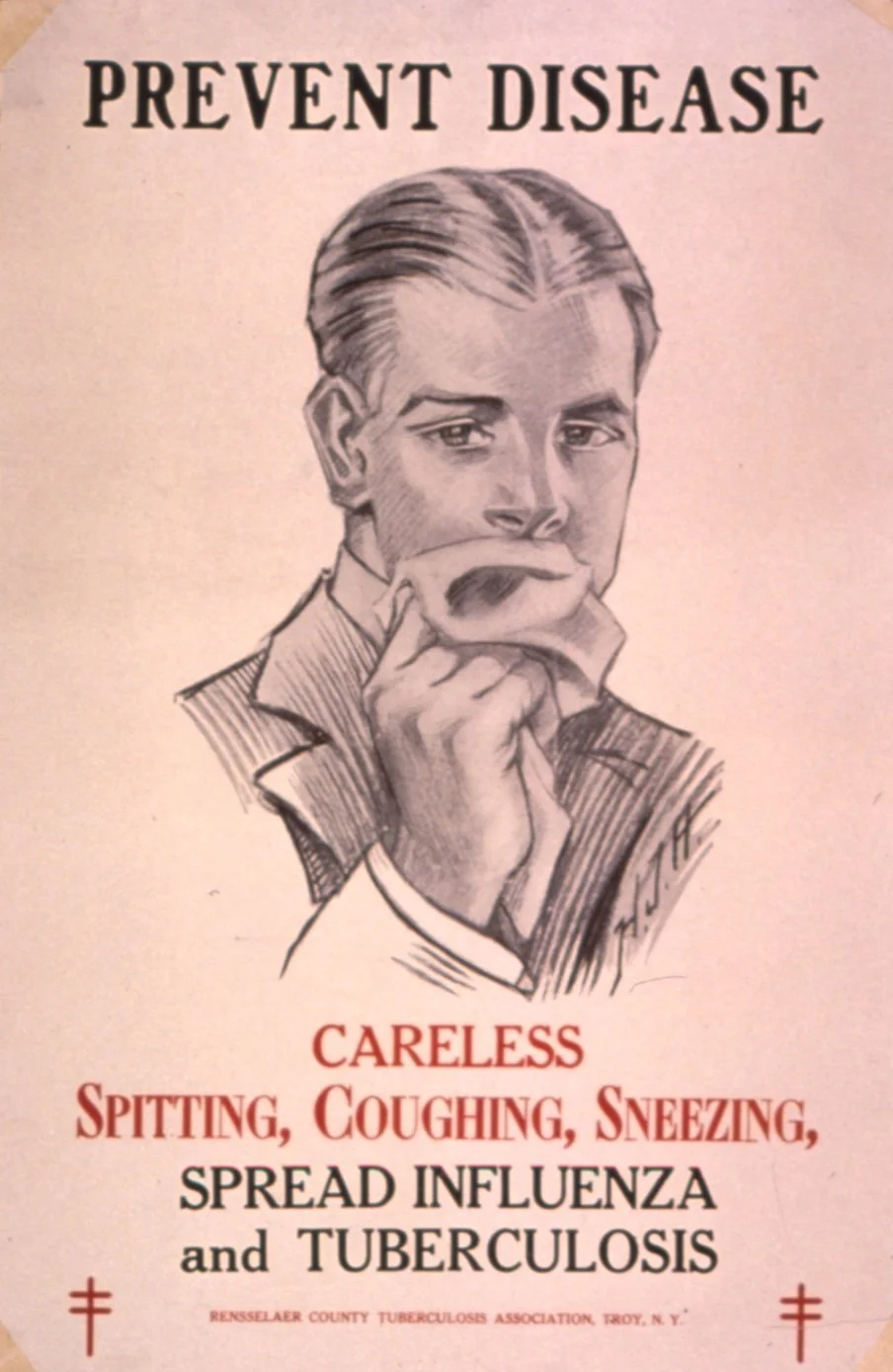
Weather or Not
How do you determine the weather and outside temperature?
19th and early 20th century residents had their own methods. Read Cynthia’a blog to get an idea.
Who was Paul Long
Paul Long, a black resident of North Hampton, fought in the Revolutionary War and came back to live in North Hampton.
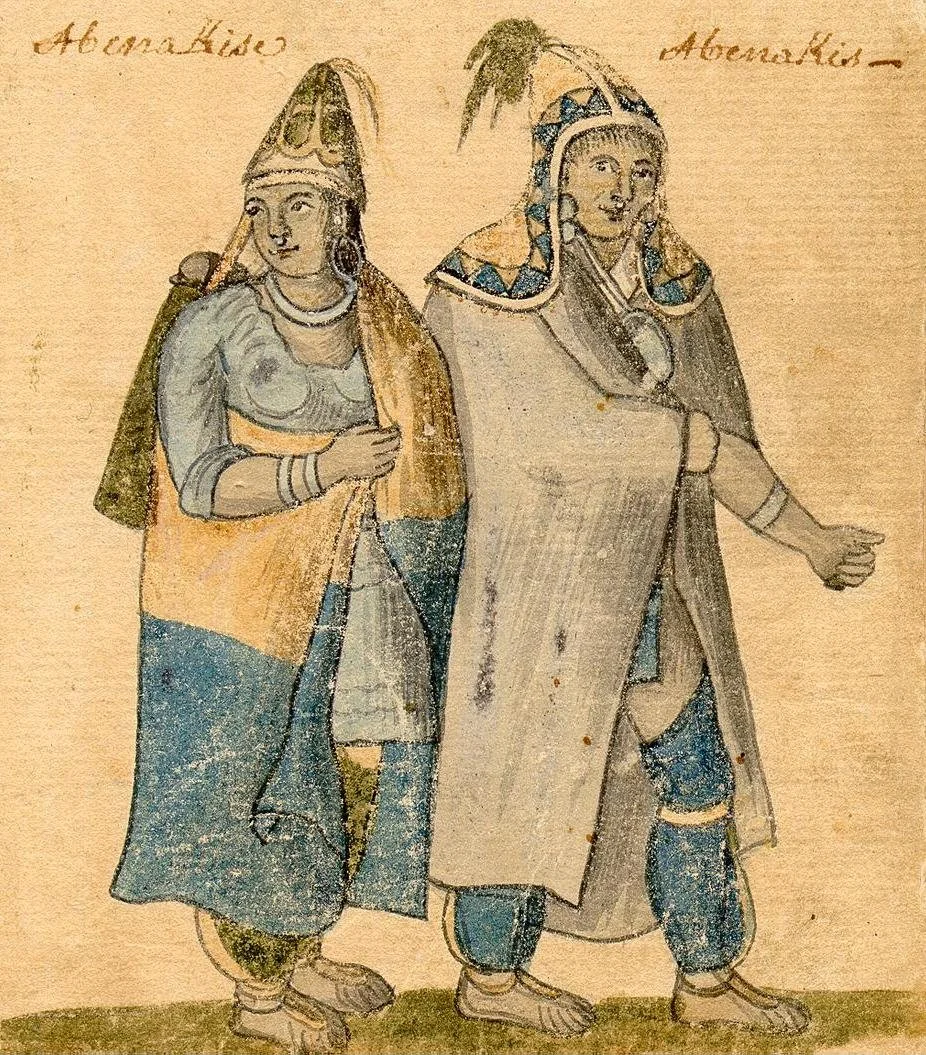
The Abenaki - all we don't know. Part 1
The Abenaki, part of the Algonquin nation, were present across what is now Vermont, New Hampshire, and Maine as well as eastern Ontario, Quebec, and the maritime provinces of Canada thousands of years ago.
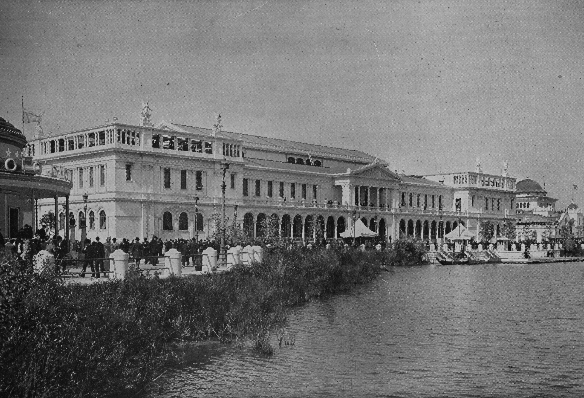
Mr Dow Goes to the 1893 Chicago World's Fair
Samuel A Dow enjoyed his visit to the Centennial Exhibition in Philadelphia in 1876, nearly 20 tears later he was off to Chicago to the Columbian Exposition.
Who Was Malvina Hoffman?
Who was Malvina Hoffman? A long time Little Boar’s Head summer resident, a famous and skilled sculptor, and much more.
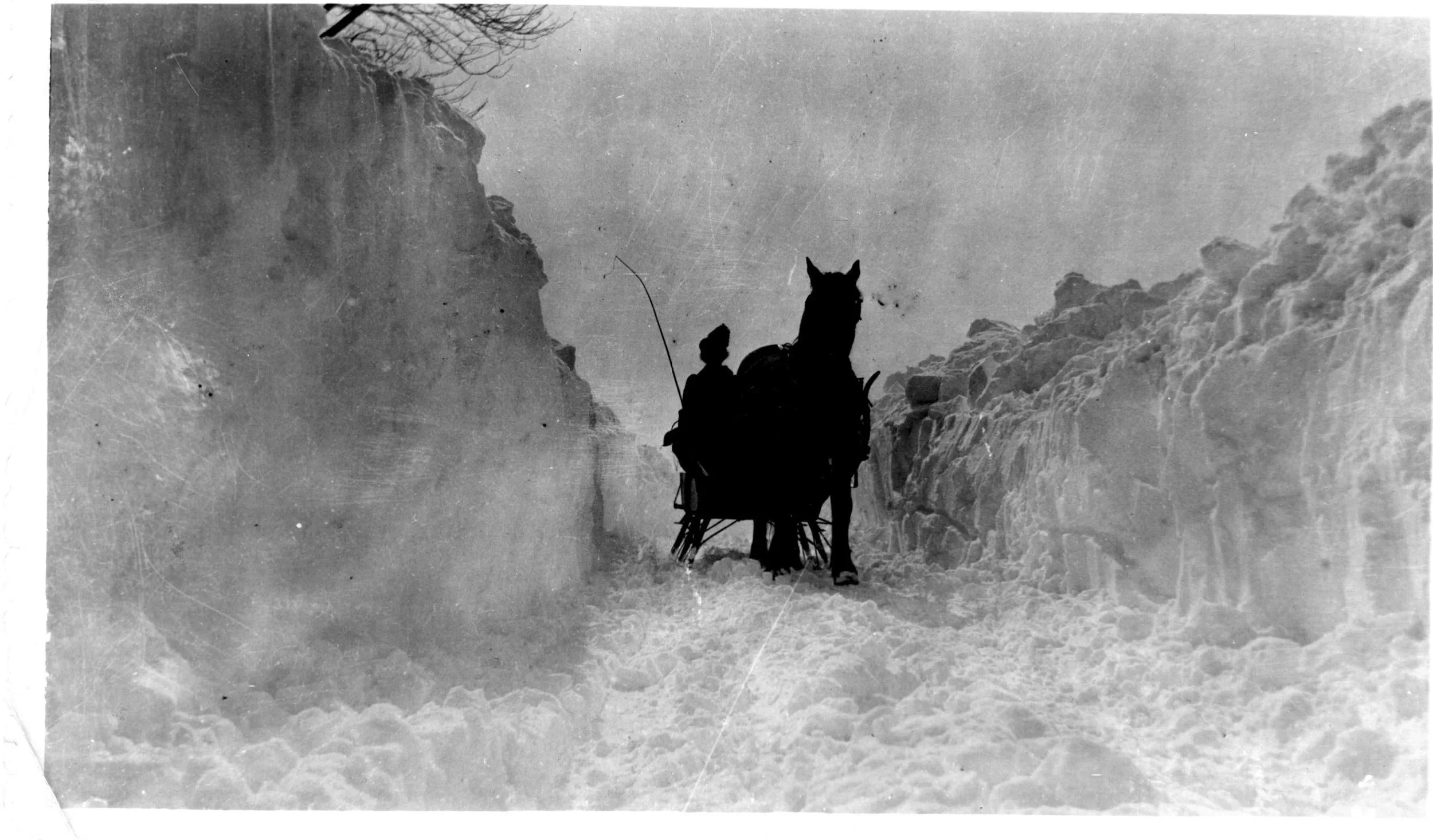
Winter Memories - Sleighing
Emily Marston Dow loved sleigh rides. Read about some of her adventures and moonlight on the snow.
Autumns Past in North Hampton
Samuel Dow, David Lamprey, and Evelyn Squire remember Fall activities in North Hampton and beyond. In 1876 Samuel Dow made a trip to the Philadelphia Centennial Exhibition.